

Gudee History
From Making Products to Creating a Brand
1980 — Where It All Began
The story behind Gudee began in 1980 with Magus, a manufacturing company originally specializing in sewing and textile production.
Over time, Magus expanded its expertise into bamboo processing. With both textile and bamboo manufacturing capabilities under one roof, a new possibility began to emerge: bringing two very different materials together.
What began as manufacturing expertise would eventually become the foundation for a distinctive approach to design.
2007–2011 — A Design Language Takes Shape
Long before Gudee became a brand, we were already exploring new ways of working with bamboo and fabric.
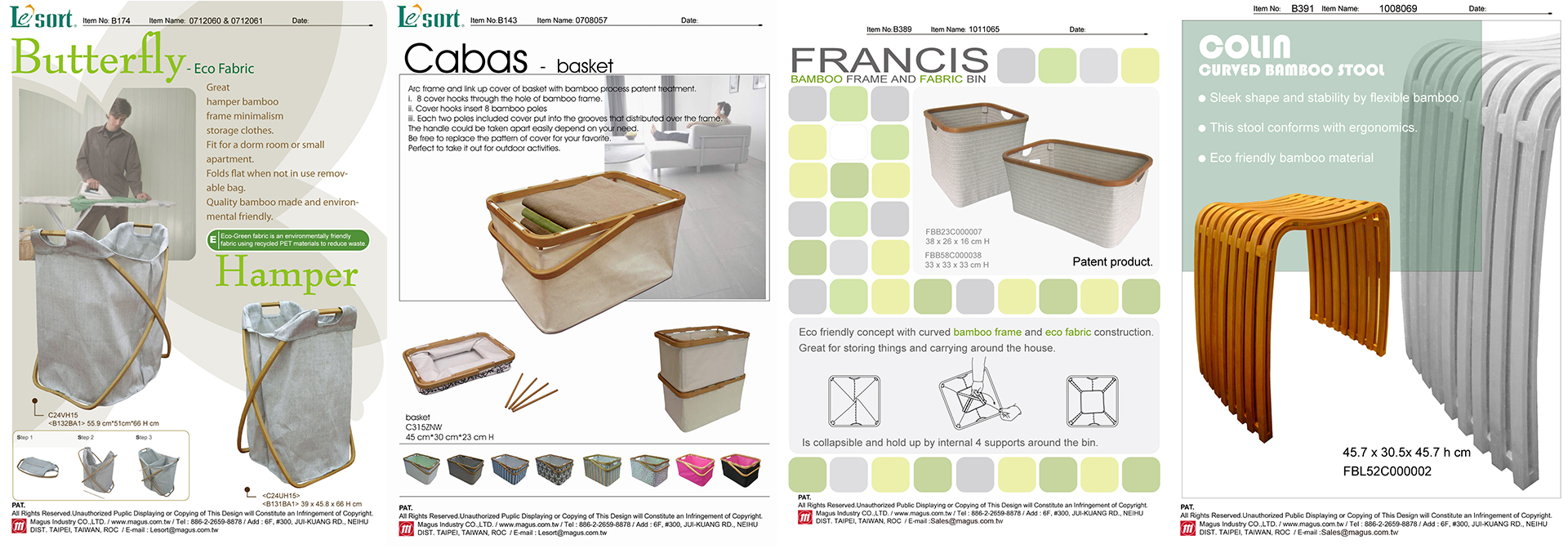
In 2007, the Butterfly Hamper marked one of our early experiments in bringing the structural qualities of bamboo together with the softness and flexibility of fabric.
In 2008, Cabas took the idea further, exploring how bamboo could form a visible structural frame around a flexible fabric body.
By 2010, the concept had developed into a more defined construction with Francis, combining a curved bamboo frame with a fabric bin. This was not simply a material choice, but an original design direction developed through our own experience in both bamboo and textile manufacturing.
At the same time, our exploration of bamboo continued beyond storage. In 2011, Colin demonstrated how repeated curved bamboo elements could become structure, form, and furniture in their own right.
These early designs became part of a design language that would later be closely associated with Gudee: natural materials, soft forms, visible structure, and thoughtful function.
As bamboo-and-fabric products became increasingly familiar in the home organization market in the years that followed, this approach remained deeply rooted in our own design history.
2010 — From Manufacturing to Design
As our original designs developed, international buyers began showing greater interest not only in what we could manufacture, but also in what we could design.
Magus gradually evolved from traditional OEM manufacturing toward ODM partnerships built around ideas developed by our own design team.
This marked an important turning point.
Decades of manufacturing experience were no longer simply a means of bringing products to life. Our knowledge of materials, construction, and production had also become a source of design innovation.
And as this direction matured, a new idea began to take shape:
What if we created a brand of our own — one that could more fully express our perspective on materials, design, and everyday living?
That idea would eventually become Gudee.
2017 — Gudee Begins
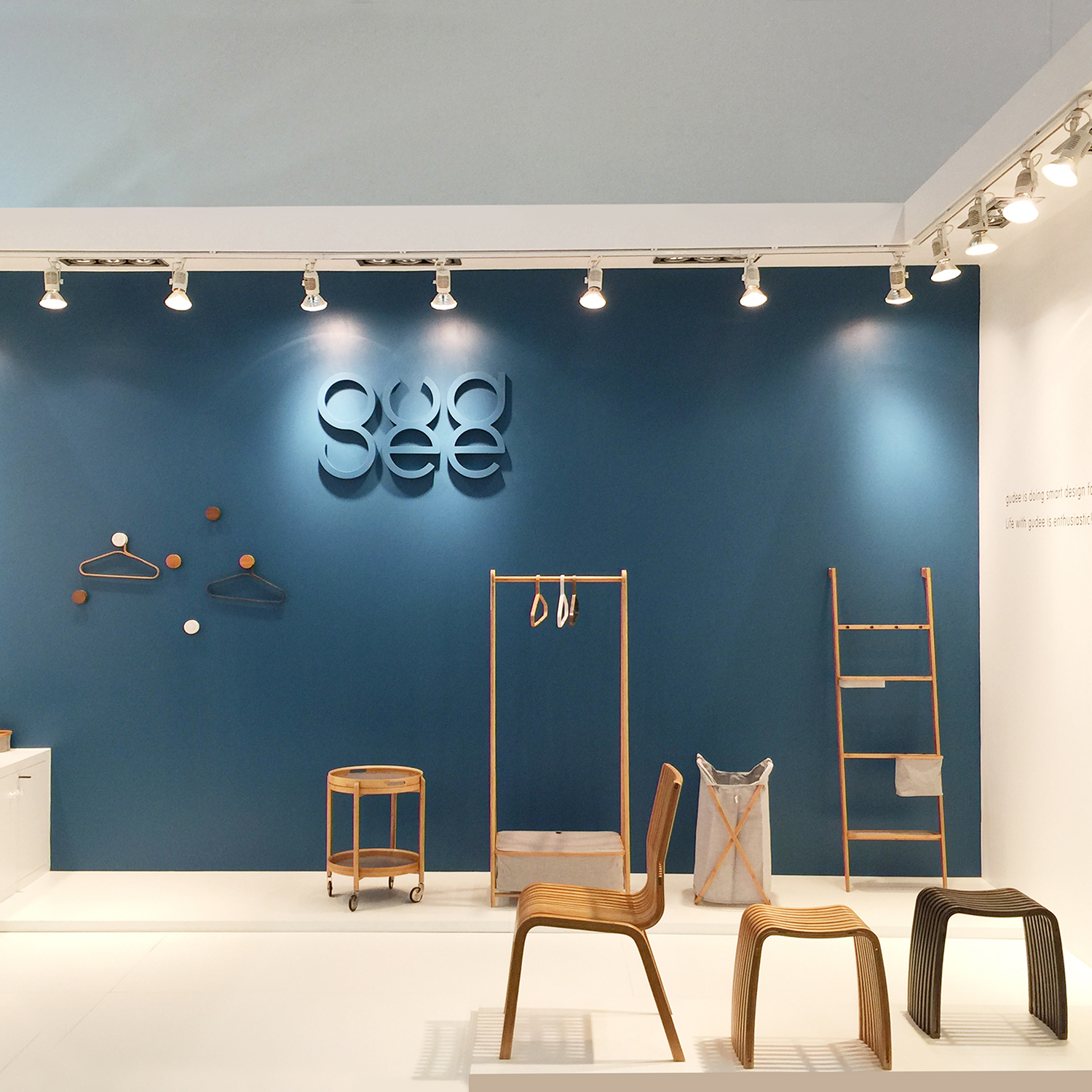
In 2017, Gudee officially began its journey as a brand.
Our first international appearance was at Tendence in Germany. It did not go quite as planned — nearly half of our exhibition products were lost during shipping.
We arrived with an incomplete collection and a booth that was emptier than we had imagined.
But we chose to exhibit with what we had.
It was an imperfect beginning, but an important one.
Rather than stepping back, we decided to keep going.
2018 — A Door to the World
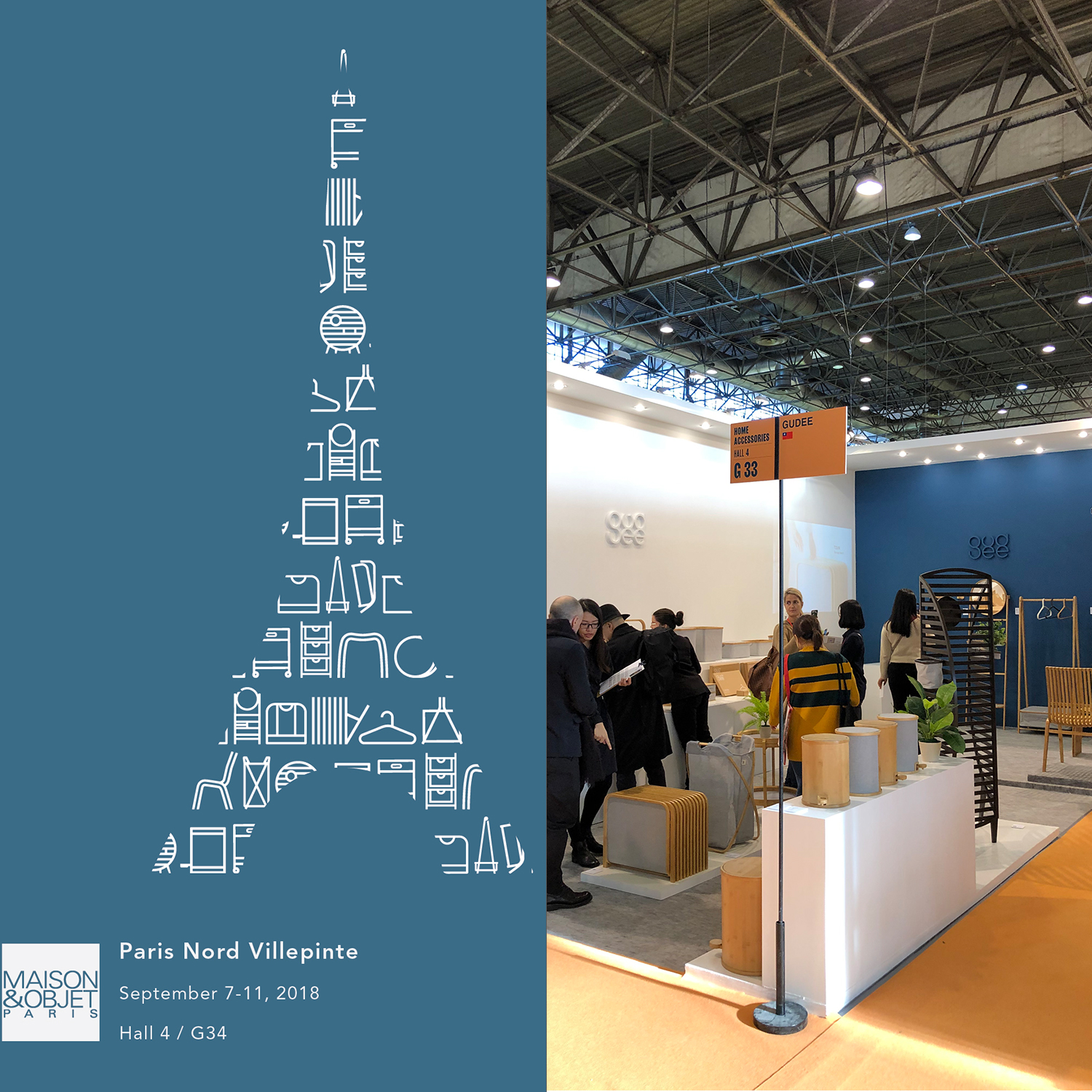
The following year, Gudee exhibited at Maison & Objet in Paris and Ambiente in Frankfurt.
This time, things were different.
In Paris, our designs caught the attention of international buyers, leading to orders from MoMA in the United States and Itoya in Ginza, Japan.
For a young brand, it was an encouraging moment. It showed us that a design language developed through years of working with materials, manufacturing, and everyday function could resonate far beyond where it began.
Gudee continued exhibiting at Maison & Objet and Ambiente through 2023, gradually reaching homes and markets around the world.
Finding Our Design Language
Throughout this journey, bamboo and fabric have remained at the heart of Gudee.
But for us, their relationship goes beyond appearance.
It is rooted in years of understanding how bamboo bends, how fabric folds, how structures carry weight, and how different materials can work together to make everyday objects simpler and more useful.
What began with early experiments before Gudee existed gradually evolved into one of the brand’s most recognizable design signatures.
The natural warmth and structure of bamboo, balanced by the softness and flexibility of fabric, allow us to create objects that feel functional yet approachable.
Over time, this thinking has grown beyond the combination of two materials into a broader design philosophy:
Simple forms. Thoughtful details. Natural warmth. Objects made to live quietly within everyday spaces.
Recognition Across Markets
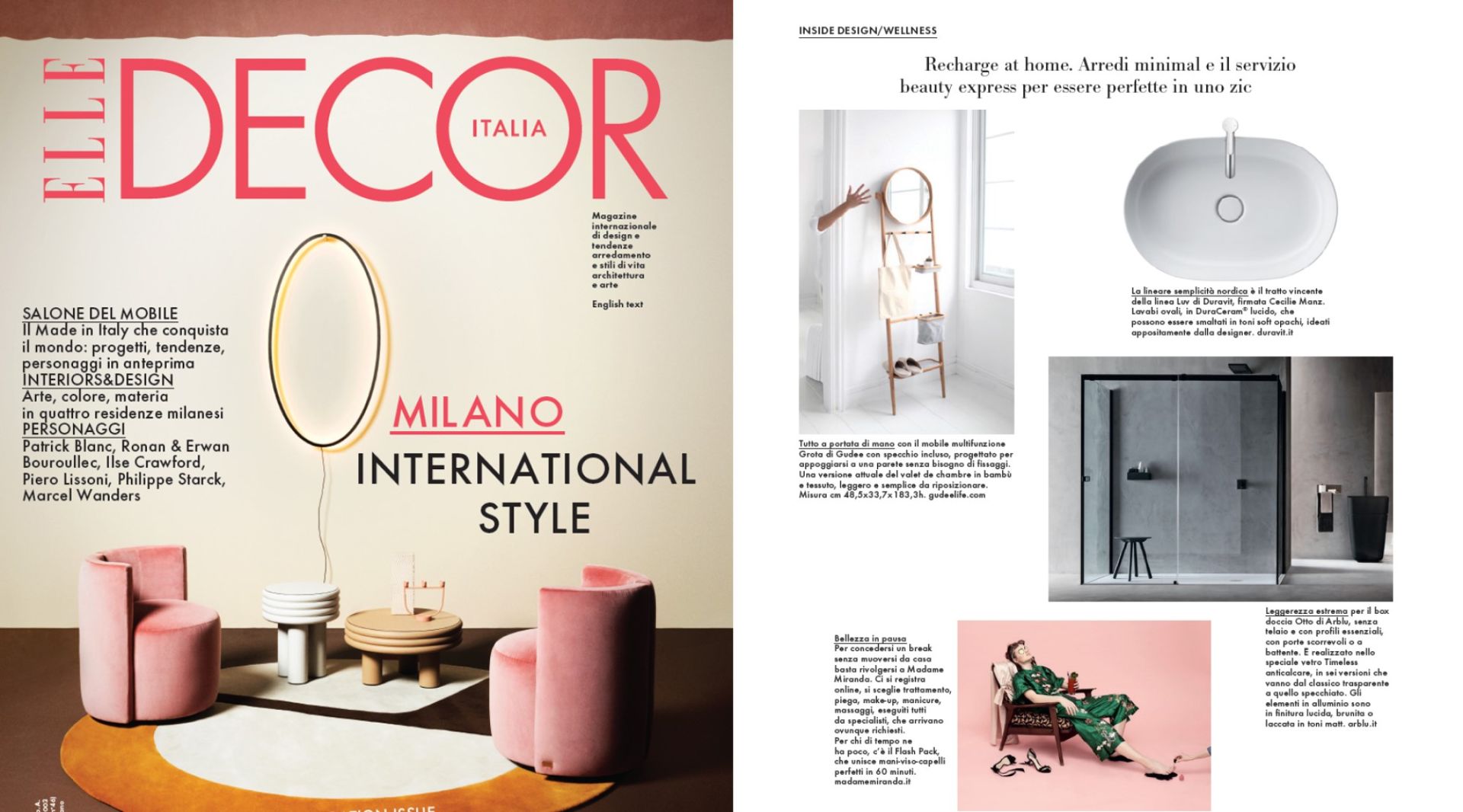
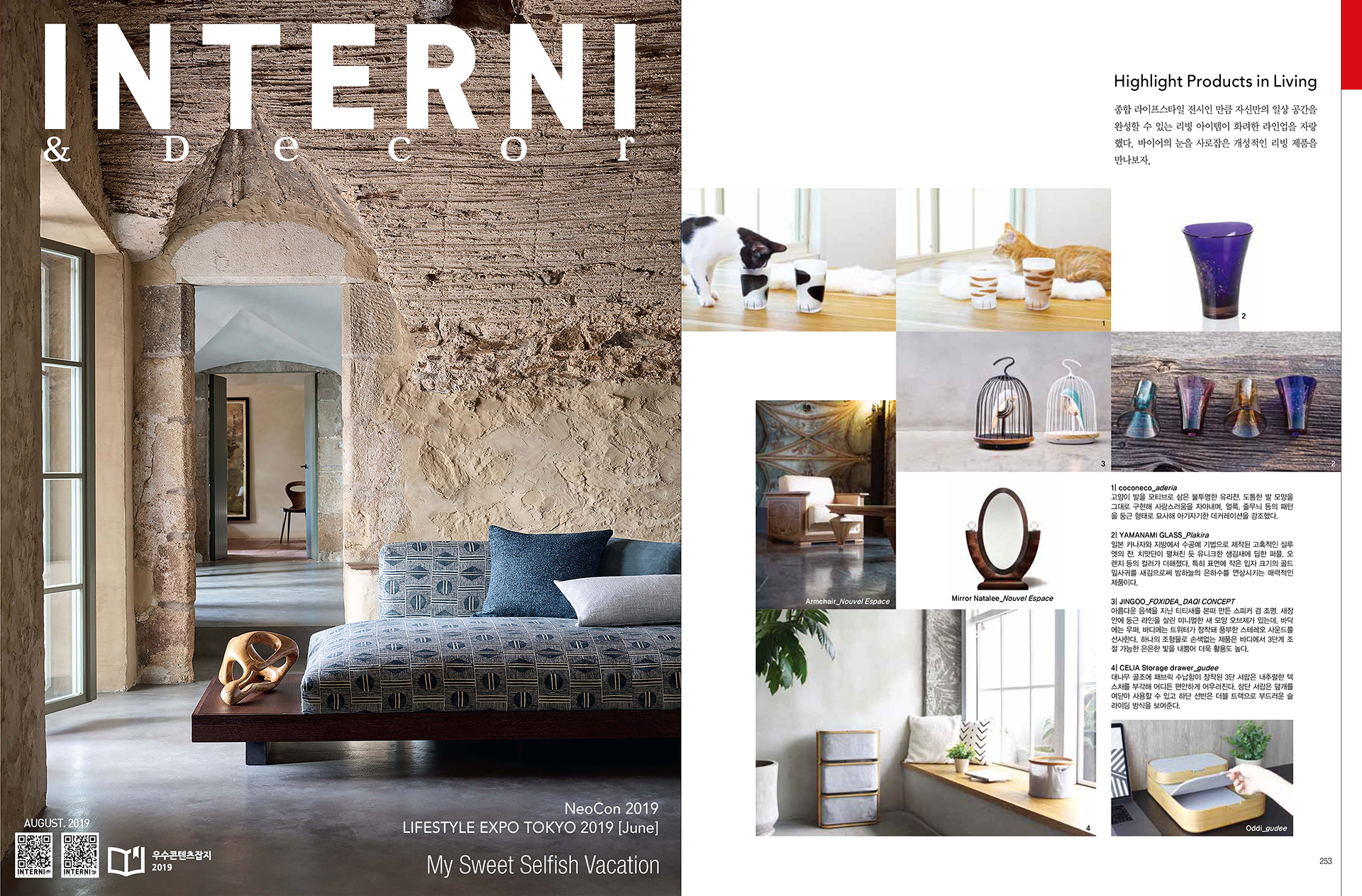
As Gudee reached a wider audience, our work began appearing in design and lifestyle publications across different markets, including ELLE DECOR Italia, INTERNI & Decor Korea, La Vie, and others.
These moments reflected a growing recognition of the design language we had been developing for years — one rooted in natural materials, thoughtful function, and everyday living.
2020 — A Shared Appreciation for Thoughtful Living
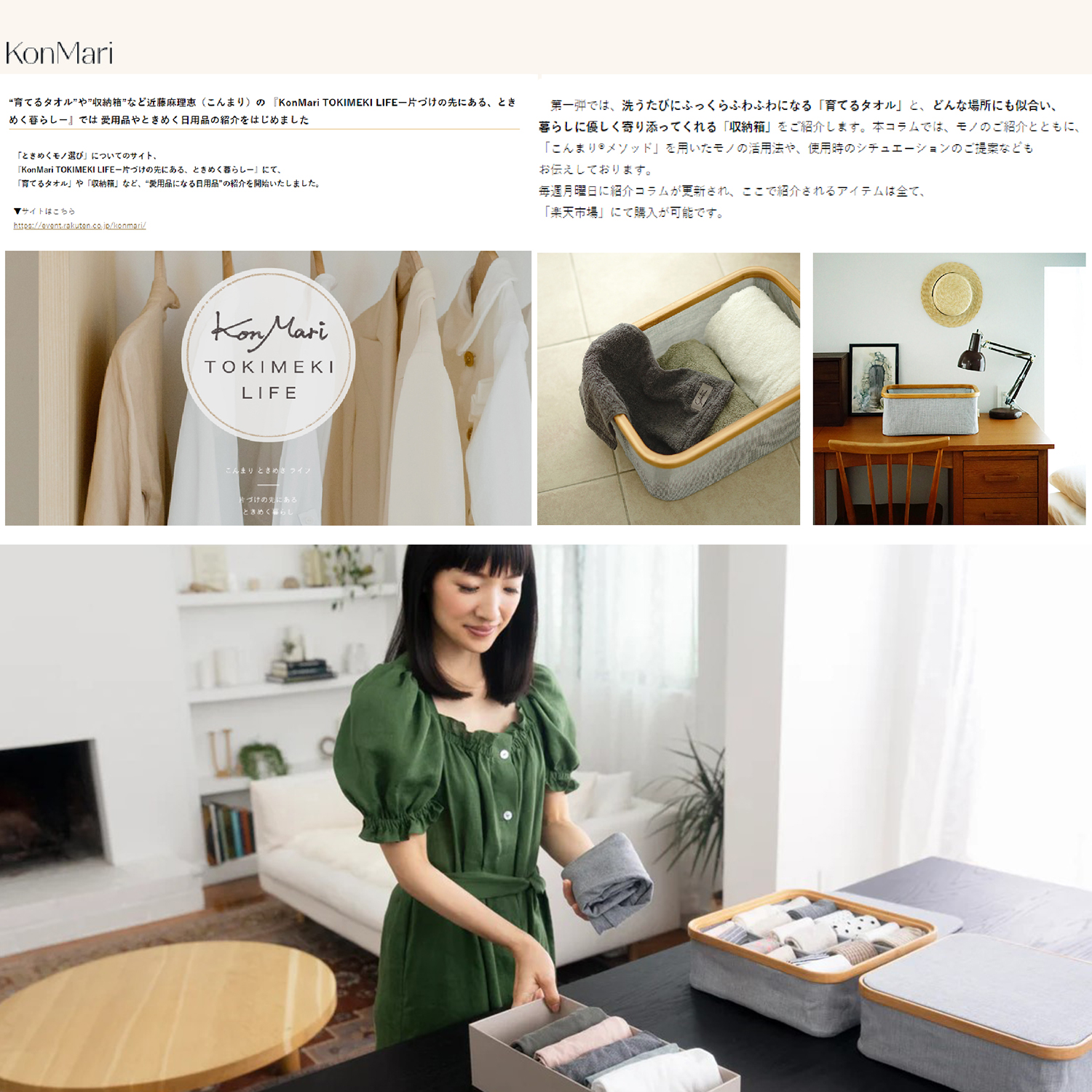
In 2020, Gudee collaborated with Marie Kondo’s KonMari brand, bringing selected Gudee organization products to an audience that shared our appreciation for thoughtful, intentional living.
It was a natural meeting of two perspectives centered on creating calmer, more considered everyday spaces.
Today & Beyond
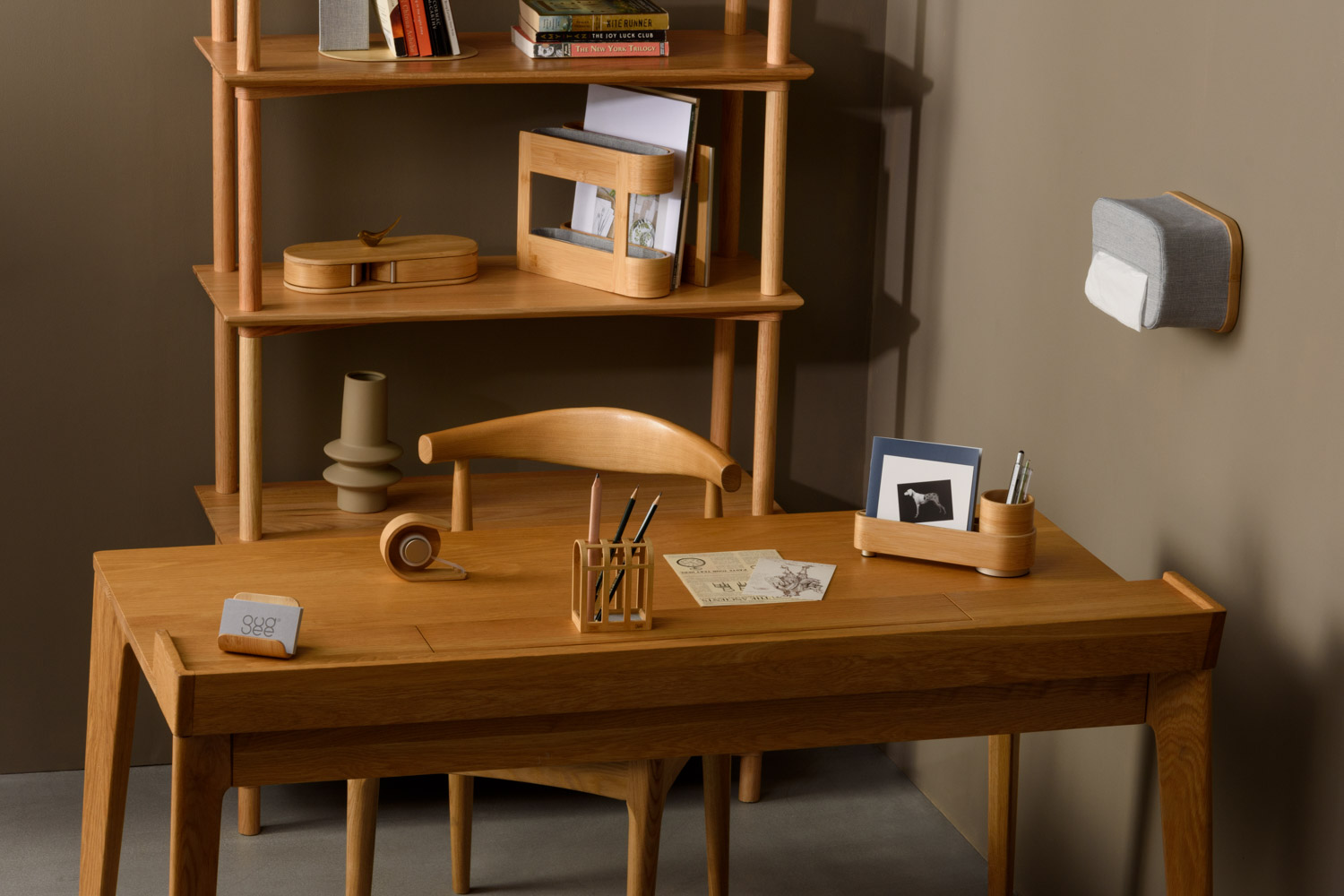
Today, Gudee has grown beyond its beginnings in storage and organization into a broader collection for contemporary living — from entryways and workspaces to kitchens, dining spaces, laundry and bathrooms, small furniture, and everyday lifestyle objects.
The collection continues to evolve, but the thinking behind it remains connected to where we began: understanding materials, exploring structure, and finding thoughtful solutions for everyday life.
We continue to explore the relationship between natural materials, thoughtful function, and the spaces we live in, guided by four values:
Simplicity · Sincerity · Sustainability · Subtlety
Our history began with making.
It grew through designing.
And today, it continues through creating a more thoughtful way of living.
Rooted in craft. Evolving with life.